Travel & quarantine during pandemic
Well, due to some circumstances, I decided to fly from Ireland to Hong Kong after all. Given that flying during a pandemic is quite an adventure, I decided to share my experience, as well as the details of my home quarantine in Hong Kong.
Original article was published in Russian on April 22 2020. Mostly translated with deepl.com (free version).
Aviation in a pandemic
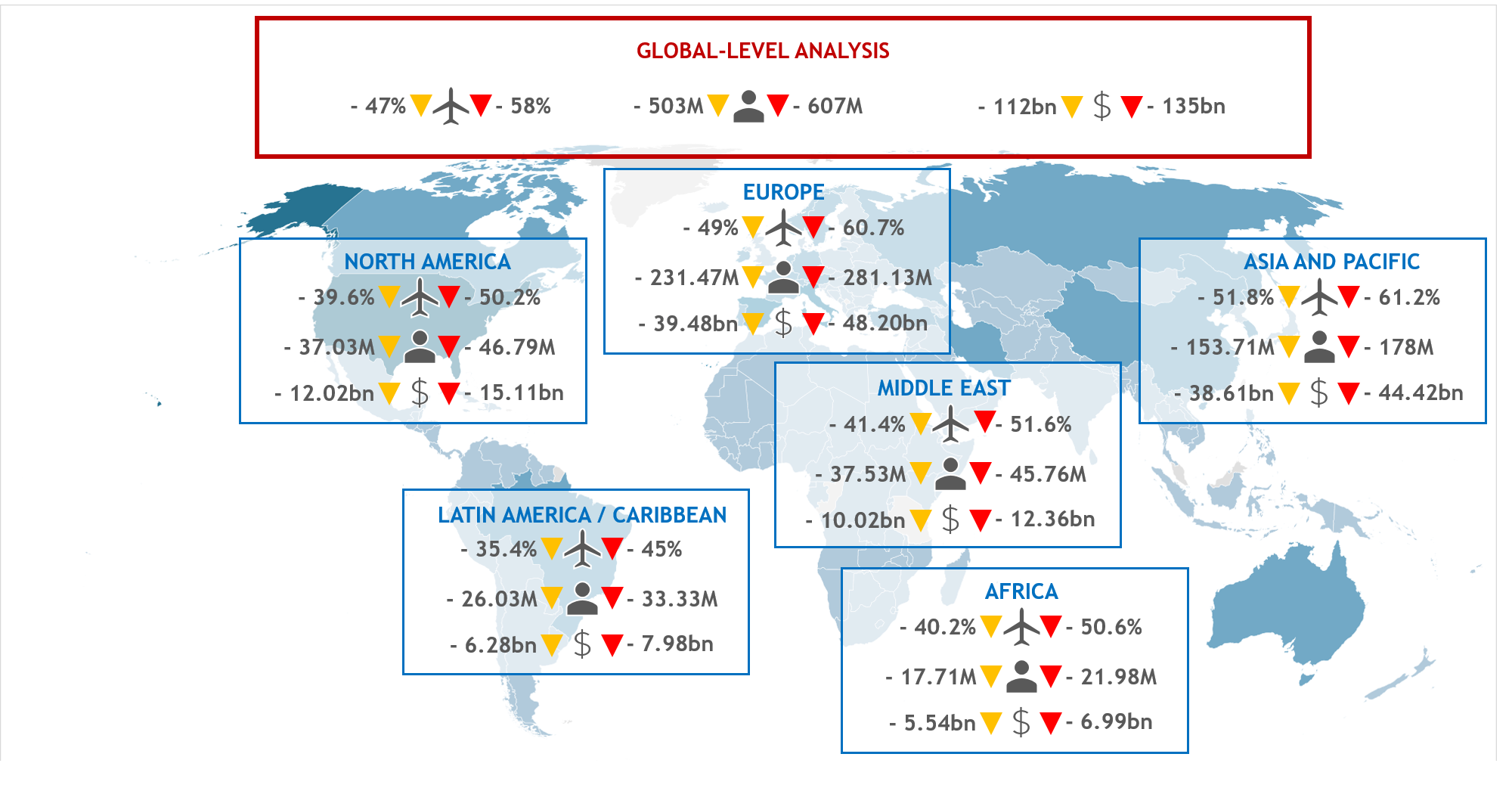
I should probably start by saying that during a global pandemic, the air passenger industry is going through its worst period in decades. Passenger traffic at many international airports has fallen by at least half (compared to the same period last year) and from the looks of it, this is only the beginning.
I flew to Hong Kong on a Qatar Airways (QA) flight from Dublin to Doha to Hong Kong. I got two interesting bonuses during my airfare purchase. The first, the airline launched a promo code called TRAVELHOME, which allows one-way flights to be purchased at a 10% discount. The second, in gratitude for the trust placed in me in such difficult times, was a $100 voucher which can be used to buy a ticket until December 15 of this year.
Airports
Passenger numbers are kept to a minimum at all airports. There are virtually no queues and you are asked to keep a two-metre distance everywhere. Duty Free shops are closed at all three airports but Doha and Hong Kong airports do have some food outlets. It's just like in post-apocalyptic movies, where all the shops are closed and there are hardly any passengers in the huge airports. Since many countries open and close borders very frequently, during check-in staff are very careful to check all documents and in my case I had to wait about twenty minutes for them to call the Hong Kong office to make sure I wouldn't be turned back at passport control.


Flights
- There were about 20-30 passengers on both flights and it seems to me that even though the airlines make their main profit from carrying cargo rather than selling tickets, they still either fly at zero or at a loss. At first I thought we would be seated further away from each other, spread out in different parts of the plane. On the flight from Dublin to Doha, all economy class passengers were fully packed in the back of the plane and the front rows were completely empty. Perhaps this was done for the purpose of proper weight distribution, or it is easier for the airlines to clean up after passengers this way. One empty seat was left between passengers seated on the same row in order to maintain the proper seating arrangement. On the flight from Doha to Hong Kong, one passenger per row was seated, making exceptions for people flying together. All aircrew were wearing masks and gloves and, in addition to the standard QA safety briefing video, also ran a video on proper hand washing and the importance of social distancing.

Quarantine
At the end of March, Hong Kong imposed a ban on the entry of foreigners, making exceptions for certain categories of people, which include holders of work and student visas. Upon arrival in Hong Kong everyone fills out a standard medical form. The interesting thing is that it can be filled out online in advance and you can simply show a QR code instead of a paper form. After arrival everyone is tested for the virus, and if you indicate on the form that you have any symptoms, you are immediately taken to the hospital. The tests for the test take place in a separate facility near the airport, where you will be taken by bus. Before you take the test, all the necessary procedures are carefully explained to you and a video is shown with instructions on how to spit in the test container correctly. After the test you have to undergo a mandatory two-week home quarantine with a special wristband, but people arriving or staying in particularly infected regions are quarantined in a hospital (UPDATE: From April 22 until the test results are announced, all visitors will be checked in a hotel). After taking the test and receiving the bracelet, you can go straight home and activate the tracker via an app on your smartphone upon arrival. A few details about the tracker:
- Officially, they ask you to wear the tracker at all times until the end of quarantine, but since it is not sealed, there is nothing to stop you from taking it off (Either this is an oversight, or the government just trusts its citizens).
- The mobile app for the tracker was produced in collaboration with local startup Compathnion Technology Limited (It's cool that the local startup community can do its bit in the fight against the virus too)
- Judging by the fact that the tracker can simply be thrown away after quarantine (as the instructions for use say), it's pretty cheap.

On the 12th day of quarantine, you need to retake the tests and for this you are given a special container in advance to spit into and take to one of the nearby hospitals. The container can be handed over through family and friends who live with you, or you can pay HK$100 and call a courier (here again, the government is helped by local start-ups, whose apps can be used to order this service). The nice thing is that almost all the processes are fine-tuned, and at all stages of the process all employees take the utmost precaution. According to the latest data, the Hong Kong measures are quite effective, as there were no new cases in the city on March 20 and all the new cases found afterwards were imported (i.e. found from people who came back to Hong Kong). If the trend continues, maybe after May 5 the government will relax the social distancing rules.